
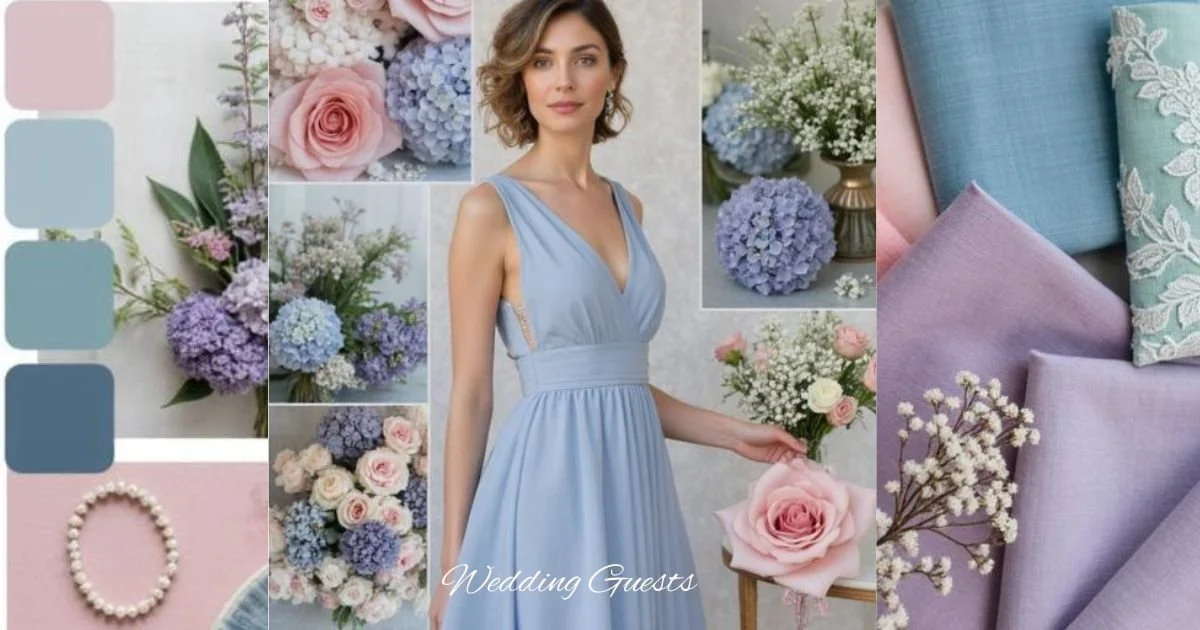
The Polished Guest: Your Essential Timeline for Wedding Season Wardrobe Perfection
Wedding season is here and your wardrobe should be ready. At Stitches Matter, we share our tried and tested guest preparation timeline — because the difference between attending and truly shining often comes down to one thing: the perfect fit.
As winter gives way to spring, wedding invitations accumulate on mantels and calendars fill with save-the-dates. At Stitches Matter, we’ve noticed a distinct shift in our studio during these final weeks of winter — the wedding guest rush has begun. After years of perfecting formal wear for countless celebrations, we’ve learnt that the difference between merely attending and truly shining as a guest often comes down to one thing: impeccable fit and thoughtful preparation.
Whether you’re navigating multiple weddings this season, attending a milestone celebration, or preparing for that one special event you’ve been anticipating all year, this comprehensive timeline ensures your wardrobe receives the attention it deserves. Because being a gracious, well-dressed guest is an art form—and every masterpiece requires planning.
Understanding the Guest Wardrobe Challenge
Wedding guests face unique wardrobe pressures that differ significantly from other occasions:
∙ Multiple events in quick succession requiring diverse looks without repetition
∙ Varied dress codes from garden casual to black-tie formal
∙ Photography considerations knowing you’ll appear in countless photos and social media posts
∙ Comfort requirements for ceremonies, receptions, and extended celebrations
∙ Seasonal transitions navigating spring’s unpredictable weather or summer heat
∙ Travel logistics if attending destination weddings or out-of-town celebrations
Each of these factors demands thoughtful preparation, and proper alterations are the foundation of wardrobe success.
The Stitches Matter Wedding Guest Calendar
8-10 Weeks Before the Wedding (Late Winter/Early Spring)
Initial Wardrobe Assessment:
∙Review your invitation(s) and note dress codes, venues, and timing
∙Assess your current wardrobe for potential outfit options
∙Identify gaps that require new purchases or creative solutions
∙Consider the season and venue specifics (outdoor garden vs. formal ballroom)
Shopping and Selection:
∙Begin shopping for any new pieces needed
∙Try on existing formal wear to assess current fit
∙Consider whether beloved pieces need updating or alterations
∙Think about accessories, shoes, and how they’ll work with alterations
Action Item: This is the ideal time to schedule your consultation with Stitches Matter. Bring potential outfit options, even if you haven’t finalised your choice. We can assess what’s possible with each piece and help you make informed decisions about which garments are worth altering versus replacing.
Pro Insight: Many guests wait until the last minute, creating unnecessary stress. Early consultation allows us to address not just basic hemming, but transformative alterations that can make a simple dress exceptional or update a dated piece into something current and flattering.
6-8 Weeks Before (Early-Mid Spring)
Finalise Outfit Choices:
∙Make final purchase decisions for any new pieces
∙Commit to which existing garments you will wear
∙Ensure you have appropriate undergarments for each outfit
∙Select your shoes — critical for determining the correct hem length”
First Fitting Appointment:
∙Bring your complete outfit: dress/suit, shoes, undergarments, any shape wear
∙Discuss your vision for the final look
∙Address major alterations: significant taking in/letting out, length adjustments, structural changes
∙Consider additional modifications: adding sleeves for modesty, adjusting necklines, updating silhouettes
Multiple Wedding Considerations:
∙If you’re attending several weddings this season, bring all outfits to one comprehensive appointment
∙We can coordinate timing to have pieces ready when you need them
∙Discuss versatility—perhaps one dress can be altered to work for multiple occasions with different accessories
Seasonal Wisdom: Spring weddings often mean unpredictable weather. We can discuss practical modifications like adding a coordinating jacket that can be removed, adjusting hemlines to work with both heels and elegant flats, or ensuring your outfit photographs beautifully in both indoor and outdoor lighting.
4-5 Weeks Before (Mid-Spring)
Second Fitting (if needed):
∙Review progress on major alterations
∙Make any adjustments to initial modifications
∙Ensure comfort for extended wear—you’ll be in this outfit for hours
∙Test mobility: sitting, dancing, reaching (for that bouquet toss!)
Final Details Discussion:
∙Address any concerns about the fit or appearance
∙Discuss care and pressing needs before the event
∙Confirm pickup date and timeline
∙Ask about emergency fixes if needed on the day
Travel Considerations:
∙If travelling for the wedding, discuss garment bags and packing strategies
∙Consider whether final pressing can happen at your destination
∙Understand what wrinkles are acceptable vs. what needs professional attention
The Comfort Factor: Wedding guests often underestimate how long they’ll be in their outfits. Ceremonies, cocktail hours, dinner, and dancing can mean 6+ hours. We ensure your alterations account for comfort throughout the entire celebration, not just standing still for photos.
2-3 Weeks Before (Late Spring)
Final Fitting:
∙This is your dress rehearsal—literally try everything together
∙Walk, sit, dance, and move as you will at the wedding
∙Verify that all closures are secure and comfortable
∙Check that hemlines are perfect with your chosen shoes
∙Ensure nothing gapes, pulls, or requires constant adjustment
Practical Preparations:
∙Discuss any last-minute concerns
∙Receive care instructions for pre-wedding storage
∙Understand how to handle minor emergencies (loose button, small tear)
∙Confirm pickup details and timing
Photography Considerations:
∙How does the outfit photograph? (We can advise based on experience)
∙Are there any angles that create unflattering lines?
∙Does the colour photograph well or does it wash you out?
∙Will flash photography create any issues with fabrics or embellishments?
1 Week Before the Wedding
Final Pickup and Preparation:
∙Collect your beautifully altered garment
∙Receive it properly pressed and ready to wear
∙Get emergency contact information for any last-minute concerns
∙Understand storage requirements until the wedding day
Pre-Wedding Care:
∙Hang garment in a breathable garment bag
∙Keep away from pets, children, and potential staining hazards
∙Avoid strong perfumes or lotions that might transfer to fabric
∙Have your shoes and accessories organised and ready
The Confidence Factor: When you pick up your perfectly fitted outfit, you should feel a sense of calm confidence. The work is done, and you’re prepared to look your absolute best.
Wedding Day and Beyond
On the Day:
∙Your outfit should require minimal fussing
∙Focus on celebrating, not adjusting your clothes
∙Trust in the preparation you’ve invested
Post-Wedding Care:
∙Address any stains or damage immediately
∙Professional cleaning for valuable pieces
∙Proper storage if you plan to wear the outfit again
∙Consider future alterations to transform the piece for different occasions
Special Scenarios for Wedding Guests
The Multi-Wedding Season Dilemma
Attending multiple weddings requires strategic wardrobe planning:
Same Social Circle: If guests will overlap, you need truly different looks. We can help you create variety through alterations—adding sleeves to one dress, changing hemlines on another, or modifying necklines for distinct appearances.
Different Seasons: A spring wedding and autumn wedding require different styling. We can discuss temporary alterations or modifications that can be adjusted seasonally.
Budget-Conscious Versatility: One well-made dress altered perfectly can be styled differently for multiple events. We help identify pieces worth investing in quality alterations.
Destination Wedding Preparation
Destination weddings require extra planning:
Timeline Adjustment: Add 2 weeks to standard timelines for shipping delays or travel complications.
Packing Strategies: We provide guidance on wrinkle-resistant packing and what can be steamed upon arrival versus what needs professional pressing.
Emergency Kit: We help you prepare a small sewing kit with matching threads and emergency supplies.
Weather Contingencies: Consider climate and plan alterations accordingly—breathable fabrics for tropical locations, appropriate coverage for conservative destinations.
The Plus-One Coordination
If you’re bringing a date, coordination matters:
Formality Alignment: Ensure your alterations create an appropriate formality level that coordinates with your date’s attire.
Colour Coordination: Whilst not matching, your outfits should complement each other, which might influence alteration choices.
Photo Considerations: You’ll be photographed together—alterations should ensure you both look polished and coordinated.
Mother of the Bride/Groom Considerations
Special attendees have unique requirements:
Extended Timeline: Mothers often need more time and fittings for significant events—start 10-12 weeks out.
Multiple Looks: Rehearsal dinner, ceremony, and reception might require different outfits, each needing professional attention.
Coordination: Often coordinating with the wedding palette requires thoughtful planning and alteration timing.
Photography Priority: You’ll be in countless formal photos—perfection matters.
Comfort for Long Events: Alterations must account for comfort during extended hosting and celebrating duties.
Investment Thinking: The True Value of Guest Alterations
The Cost-Per-Wear Calculation
A £200 dress with £75 in professional alterations that you wear to three weddings, two galas, and an anniversary dinner costs just £39 per wear. That same dress without alterations might sit unworn because it “almost” fits.
The Confidence Quotient
There’s an intangible value in knowing you look impeccable. Professional alterations provide:
∙Freedom to focus on celebrating rather than adjusting your outfit
∙Confidence in photos that will be viewed for decades
∙Comfort that allows you to fully participate in dancing and festivities
∙The satisfaction of being a gracious, well-presented guest
The Wardrobe Longevity Perspective
Quality alterations extend garment life:
∙A properly fitted classic dress serves multiple occasions over years
∙Well-executed modifications keep pieces current as styles evolve
∙Professional work prevents damage that results from poor fit and stress points
Alteration Ideas Beyond Basic Hemming
Transformative Modifications
Adding Interest:
∙Incorporating sleeves for modesty or coverage
∙Adding elegant details like buttons, trim, or embellishments
∙Modifying necklines for more flattering proportions
∙Creating custom belts or waist definition
Modernising Existing Pieces:
∙Shortening outdated longer hemlines to current lengths
∙Slimming overly generous silhouettes to contemporary fits
∙Updating shoulder padding or removing dated construction elements
∙Refreshing with new linings or fabric combinations
Versatility Enhancements:
∙Creating removable elements for multiple looks
∙Adjusting pieces to work across seasons
∙Modifying formal pieces for less formal future occasions
Common Guest Alterations We Perfect
The Perfect Hem: More complex than you might think—accounting for heel height, venue (indoor vs. outdoor), fabric weight, and proportions.
Bodice Perfection: Ensuring dresses fit securely without gaping, pulling, or requiring constant adjustment, especially important for strapless or low-back styles.
Sleeve Adjustments: Proper sleeve length and fit dramatically impact overall appearance and comfort.
Waist Definition: Creating or adjusting waist fit for flattering silhouettes that photograph beautifully.
Shoulder and Armhole
Refinement: Ensuring comfortable movement and elegant drape.
Quick Reference: Wedding Guest Preparation Checklist
10 Weeks Out:
∙Review invitations and dress codes
∙Assess current wardrobe
∙Schedule alteration consultation
8 Weeks Out:
∙Finalise outfit purchases
∙First fitting appointment
∙Select shoes and undergarments
4 Weeks Out:
∙Second fitting (if needed)
∙Address any concerns
∙Confirm timeline
2 Weeks Out:
∙Final fitting and approval
∙Understand care instructions
∙Prepare emergency kit
1 Week Out:
∙Pickup altered garment
∙Organise complete outfit
∙Proper storage until event
Day Before:
∙Final check of outfit
∙Steam if needed
∙Relaxation and confidence
Final Thoughts: The Art of Being a Memorable Guest
The most memorable wedding guests aren’t necessarily wearing the most expensive outfits—they’re wearing the best-fitted ones. They move with confidence, photograph beautifully, and seem effortlessly polished because they’ve invested in the details that matter.
This wedding season, let Stitches Matter help you navigate your guest wardrobe with sophistication and ease. Every stitch we make contributes to your confidence, comfort, and the polished presentation that makes you not just a guest, but a cherished part of someone’s perfect day.
Ready to prepare for wedding season? Contact Stitches Matter today to schedule your
consultation. Whether you're attending one wedding or ten, we'll ensure you look impeccable at every celebration.
Decoding Quality: How to Identify Well-Made Garments That Are Worth Your Investment
It all begins with an idea.
In a world of fast fashion and mass production, truly well-made garments have become increasingly rare and valuable. At Stitches Matter, we work with pieces across the entire quality spectrum, from high-street purchases to couture creations. Through years of examining construction details, we’ve learned to quickly identify the markers that separate exceptional garments from mediocre ones. Today, we’re sharing this expertise to help you make smarter wardrobe investments and understand what makes certain pieces worthy of professional alterations.
The Foundation: Fabric Quality and Grain
Quality begins with the fabric itself, and understanding fabric is crucial for assessing any garment’s potential longevity. Natural fibers like wool, silk, cotton, and linen generally age better than synthetics, developing character rather than deteriorating. However, the quality within these categories varies dramatically.
High-quality wool feels substantial without being heavy, has a smooth hand, and recovers well from wrinkles. When we work on well-made wool garments, the fabric cooperates during alterations – it presses beautifully, holds its shape, and doesn’t fray excessively. Poor-quality wool feels scratchy or overly processed and often pills quickly with wear.
The fabric grain – how the material is cut in relation to the weave structure – is equally important. Quality manufacturers cut garments on the proper grain, ensuring that pieces hang correctly and wear evenly. When fabric is cut off-grain, garments twist and pull in uncomfortable ways. We can often spot off-grain cutting immediately when clients bring pieces for alterations, as the garment fights against its intended shape.
Construction Details That Matter
Seam Quality and Finishing
Professional manufacturers finish seams to prevent fraying and ensure longevity. French seams, bound seams, or properly serged edges indicate attention to detail and quality construction. In contrast, raw or poorly finished seams suggest corners were cut during manufacturing. When we alter high-quality pieces, we always match the original seam finishing techniques to maintain consistency.
Interfacing and Structure
Quality garments use appropriate interfacing to maintain shape and structure. Jacket lapels should feel substantial but not stiff, shirt collars should hold their shape without buckling, and waistbands should provide support without cutting into the body. Hair canvas in tailored jackets – rather than fused interfacing – allows the garment to mold to your body over time while maintaining its structure.
Pattern Matching
When we examine garments with stripes, plaids, or prints, pattern matching reveals the manufacturer’s attention to detail. Quality pieces will have patterns that align at seams, especially at center front, sleeve attachments, and pocket placements. This requires extra fabric and careful cutting, indicating the manufacturer prioritized appearance over cost savings.
The Details That Distinguish Excellence
Hand-Finished Elements
While most modern construction is machine-sewn, hand-finished details often indicate superior quality. Hand-sewn buttonholes, hand-attached buttons with proper shanks, and hand-finished hems all require time and skill that manufacturers only invest in higher-quality pieces. These details also tend to last longer and can be repaired more easily than machine alternatives.
Hardware Quality
Buttons, zippers, and other hardware should feel substantial and operate smoothly. Quality buttons are often made from natural materials like mother-of-pearl, horn, or quality metals, and they’re attached with strong thread and proper reinforcement. Cheap plastic buttons often crack or break, and poorly attached buttons create stress points in the fabric.
Zippers should glide smoothly and feel substantial. Quality zippers have metal teeth or high-grade synthetic teeth, strong tape, and substantial pulls. When we replace zippers during alterations, the difference in quality between premium and budget options is immediately apparent in both function and longevity.
Fit and Proportion Indicators
Quality garments are designed with proper ease and proportion relationships. Sleeves should allow comfortable movement without excess fabric bunching, shoulder seams should sit at the natural shoulder point, and the overall silhouette should be flattering without being restrictive.
Well-made pieces also account for different body types and movement patterns. Quality pants have appropriate rise and leg proportions, jackets allow for layering underneath, and dresses consider how the body moves and sits. When we alter these pieces, we work within frameworks that were thoughtfully designed from the beginning.
Investment vs. Trend Pieces
Understanding quality helps you make smart decisions about where to invest your clothing budget. Classic pieces in quality fabrics with excellent construction – blazers, wool coats, well-made jeans, silk blouses – justify higher prices because they’ll serve your wardrobe for years or even decades.
Trend pieces, on the other hand, might not warrant the same investment since they’ll likely be worn less frequently and for shorter periods. However, if you love a trend piece enough to alter it for better fit, choose the highest quality version within your budget.
Red Flags to Avoid
Certain construction shortcuts indicate poor quality and potential problems. Extremely narrow seam allowances make alterations difficult or impossible. Linings that pull or pucker suggest poor pattern design or cheap materials. Uneven topstitching, poorly aligned buttons, or crooked seams all indicate lack of quality control during manufacturing.
Garments that feel stiff, smell chemical-heavy, or shed excessively during first wear often indicate poor fabric quality or processing. Trust your instincts – if something feels cheap or poorly made when you try it on, it probably is.
The Economics of Quality
While quality pieces require higher upfront investment, they often provide better value over time. A well-made wool coat might cost three times as much as a fashion version, but if it lasts ten times longer and looks better throughout its life, the cost per wear becomes quite reasonable.
Quality pieces are also better candidates for alterations, allowing you to modify them as your body or style preferences change. We’ve worked on jackets that have been altered multiple times over decades, each modification extending their useful life because the original construction was solid enough to support the changes.
Caring for Quality Investment Pieces
Quality garments deserve quality care. Proper storage, appropriate cleaning methods, and prompt attention to minor repairs will maximize your investment. Many quality pieces actually improve with proper care – wool develops character, leather becomes more supple, and well-made cotton becomes softer while maintaining its structure.
Understanding these quality markers empowers you to make better purchasing decisions and helps you identify which pieces in your current wardrobe deserve professional attention. At Stitches Matter, we see the difference quality construction makes in every alteration we perform, and we’re passionate about helping clients understand and appreciate the craftsmanship in their favorite pieces.
The next time you’re considering a clothing purchase, take a moment to examine these details. Your future self – and your wardrobe – will thank you for choosing quality pieces that will serve you beautifully for years to come.
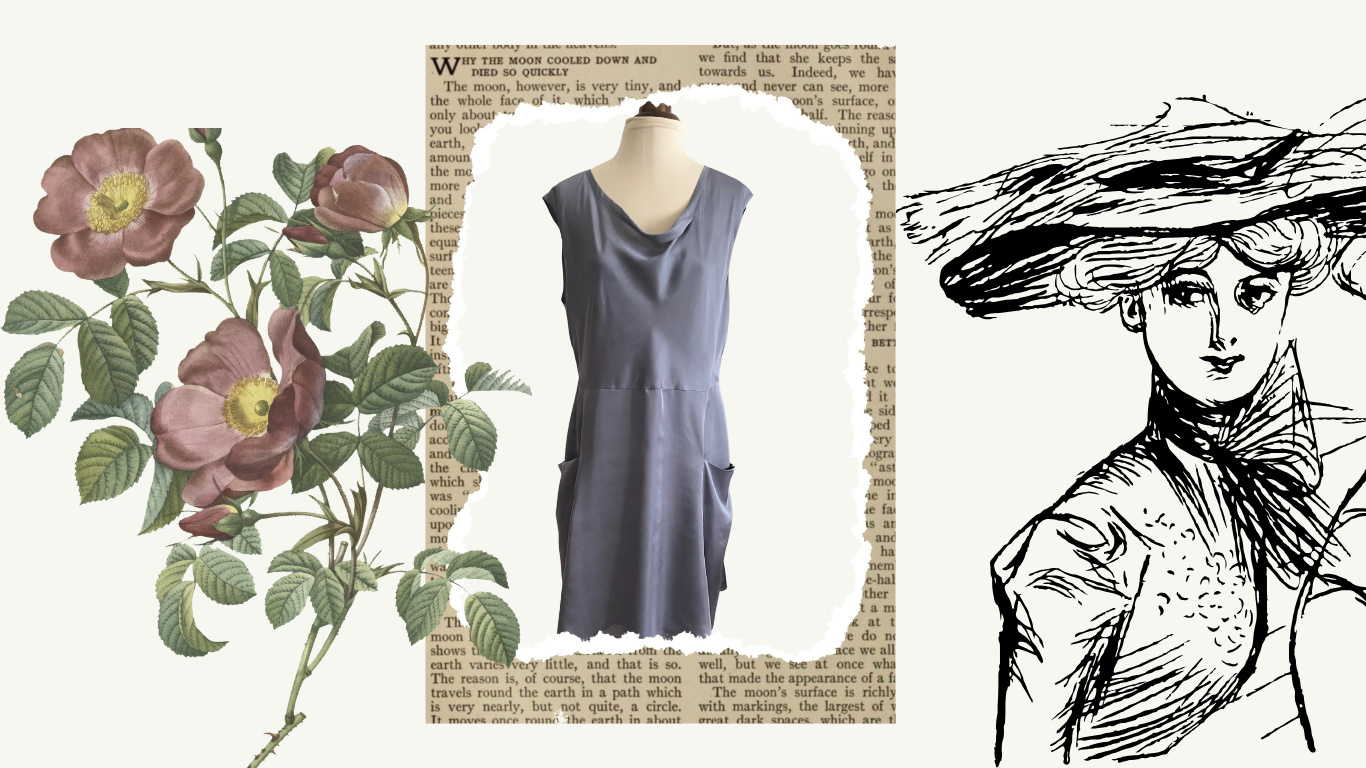
Breathing New Life into Fashion History: The Art and Science of Vintage Garment Restoration
It all begins with an idea.
At Stitches Matter, vintage restoration represents some of our most challenging and rewarding work. Each historical piece that enters our studio carries decades of fashion evolution, construction techniques that are often superior to modern methods, and irreplaceable craftsmanship that deserves preservation. Today, we’re sharing insights from our restoration work and the specialized knowledge required to honor these fashion treasures while making them wearable for contemporary life.
Understanding the Era: Construction Techniques Through the Decades
The 1940s: Wartime Innovation and Precision
Garments from the 1940s showcase remarkable ingenuity born from wartime fabric rationing. We regularly encounter pieces with hand-finished French seams, bias-cut details that maximize fabric usage, and construction techniques designed for longevity. The tailoring from this era often surpasses modern standards – we’ve worked on 80-year-old suits where the internal construction remains pristine while the exterior shows gentle aging.
One memorable 1940s evening gown taught us about the period’s approach to boning and support. Rather than the plastic boning common today, the dress featured steel stays wrapped in cotton tape, creating a supportive yet flexible structure that had maintained its shape for eight decades. Restoring such pieces requires understanding not just the techniques, but the undergarments and silhouettes they were designed to complement.
The 1950s: The Golden Age of Construction
The post-war economic boom produced some of the most beautifully constructed ready-to-wear garments we encounter. Christian Dior’s “New Look” influenced even mass-market pieces, resulting in garments with substantial interfacing, carefully engineered curves, and attention to detail that’s rare in modern fashion.
We recently restored a 1950s cocktail dress where every seam was hand-finished with silk thread, the bodice featured multiple layers of silk organza for structure, and even the inner belt was faced with matching fabric. These construction methods require specialized knowledge to repair or modify without compromising the garment’s essential character.
The 1960s-70s: Experimental Materials and Techniques
The revolutionary spirit of these decades extended to garment construction, with designers experimenting with new synthetic fabrics, unconventional seaming, and architectural silhouettes. These pieces present unique restoration challenges as some synthetic materials from this era don’t age well, while others have proven remarkably durable.
We’ve learned to identify problematic materials that may deteriorate further – certain early polyurethanes that become sticky or brittle, or metallic threads that can cut through surrounding fabric. Sometimes restoration involves strategically replacing these materials with period-appropriate alternatives that will provide better longevity.
The Science of Fabric Aging
Understanding how different materials age is crucial for successful vintage restoration. Natural fibers generally age gracefully, developing character while maintaining structural integrity. However, each fiber type presents specific considerations:
Silk: The Resilient Beauty
Quality silk from mid-century pieces often remains strong and lustrous decades later, but it can be vulnerable to perspiration damage and metal contact staining. We’ve developed techniques for addressing common silk issues like underarm discoloration and metal snap corrosion without compromising the fabric’s hand or appearance.
Wool: Built to Last
Well-made wool garments from earlier eras often feature superior fiber quality compared to modern equivalents. However, moth damage is common, requiring careful assessment and strategic repair. We’ve perfected nearly invisible darning techniques that restore structural integrity while preserving the fabric’s original texture and appearance.
Cotton: Strength Through Quality
Vintage cotton pieces often showcase superior fiber quality and construction. However, older cotton can become brittle, especially if stored improperly. We assess each piece for fiber strength and adjust our restoration techniques accordingly, sometimes reinforcing areas that will receive stress during wear.
Structural Challenges in Vintage Restoration
Sizing Evolution and Modern Bodies
One of our most frequent challenges is adapting vintage garments for contemporary bodies and undergarments. A 1950s bodice designed for bullet bras fits very differently over modern lingerie, while 1960s A-line dresses may need subtle adjustments for current proportions.
We’ve developed techniques for modifying vintage pieces that preserve their essential character while accommodating modern fit preferences. This might involve adding hidden elastic panels for comfort, adjusting armholes for contemporary bra straps, or modifying waistlines to work with current undergarment styles.
Hardware and Closure Challenges
Original vintage hardware – zippers, snaps, buttons – often requires special attention. Metal zippers from earlier eras can become stiff or corroded, while early plastic zippers may become brittle. We maintain relationships with suppliers who specialize in period-appropriate replacements, ensuring that restored pieces maintain their authentic appearance.
Sometimes the original hardware is irreplaceable – hand-carved buttons, unique snaps, or decorative elements that define the piece’s character. In these cases, we develop creative solutions to preserve original elements while ensuring functionality.
The Art of Invisible Restoration
The best vintage restoration work is invisible – garments should appear original while functioning reliably for modern wear. This requires techniques that our grandmothers might have used, combined with modern understanding of fabric science and longevity.
Hand-Sewing Techniques
Many vintage restoration projects require extensive hand work. Machine stitching can stress aged fabrics, while hand-sewing allows for precise control and gentler treatment. We use silk threads when possible, as they age compatibly with natural fiber garments and create less stress on delicate materials.
Pattern Matching and Fabric Replacement
When vintage garments require fabric replacement – perhaps a damaged panel or worn-through area – finding suitable matches requires detective work. We maintain a library of vintage fabrics and have developed relationships with dealers who specialize in period-appropriate materials. Sometimes we carefully harvest fabric from less visible areas of the garment itself, like extended seam allowances or facing materials.
Color and Texture Considerations
Vintage fabrics often have subtle color variations and texture changes that result from age and wear. New materials must be carefully treated to blend seamlessly with original fabric. This might involve gentle tea-staining, controlled sun exposure, or other aging techniques that create natural-looking integration.
Preservation Philosophy in Restoration
Our approach to vintage restoration balances preservation with wearability. We believe these garments deserve to be worn and appreciated, not merely preserved as museum pieces. However, each restoration decision is made with respect for the garment’s historical significance and original craftsmanship.
We document our restoration work extensively, photographing original construction details and keeping records of any materials or techniques modified. This creates a historical record that future restorers can reference and helps maintain the piece’s provenance.
When to Restore vs. Preserve As-Is
Not every vintage piece should be extensively restored. Sometimes gentle cleaning and minor repairs are more appropriate than major reconstruction. We help clients understand when restoration will enhance a piece versus when it might compromise its historical integrity.
Factors we consider include the garment’s rarity, condition, intended use, and historical significance. A one-of-a-kind 1920s beaded dress might warrant different treatment than a well-preserved but common 1960s shift dress.
Modern Technology in Vintage Restoration
While we rely heavily on traditional techniques, modern technology sometimes enhances our restoration capabilities. Digital photography helps us analyze construction details, while modern pressing equipment allows for gentler treatment of delicate fabrics. However, technology never replaces the hand skills and historical knowledge that successful vintage restoration requires.
The Rewards of Vintage Restoration
Every completed vintage restoration project represents a small victory against the disposable nature of modern fashion. When we return a restored 1950s suit to a client who can now wear her grandmother’s wedding outfit, or help someone fit into a treasured vintage find, we’re participating in fashion’s continuous story.
These pieces often become conversation starters, connecting wearers to fashion history while demonstrating the superior construction techniques of earlier eras. They remind us that clothing can be both functional and artistic, temporary and enduring, personal and universal.
Vintage restoration requires patience, skill, and deep respect for fashion history. At Stitches Matter, we consider ourselves caretakers of these fashion treasures, ensuring that exceptional craftsmanship from past decades continues to inspire and serve contemporary wardrobes. Each restored piece represents not just our technical skills, but our commitment to preserving fashion history for future generations to appreciate and enjoy.
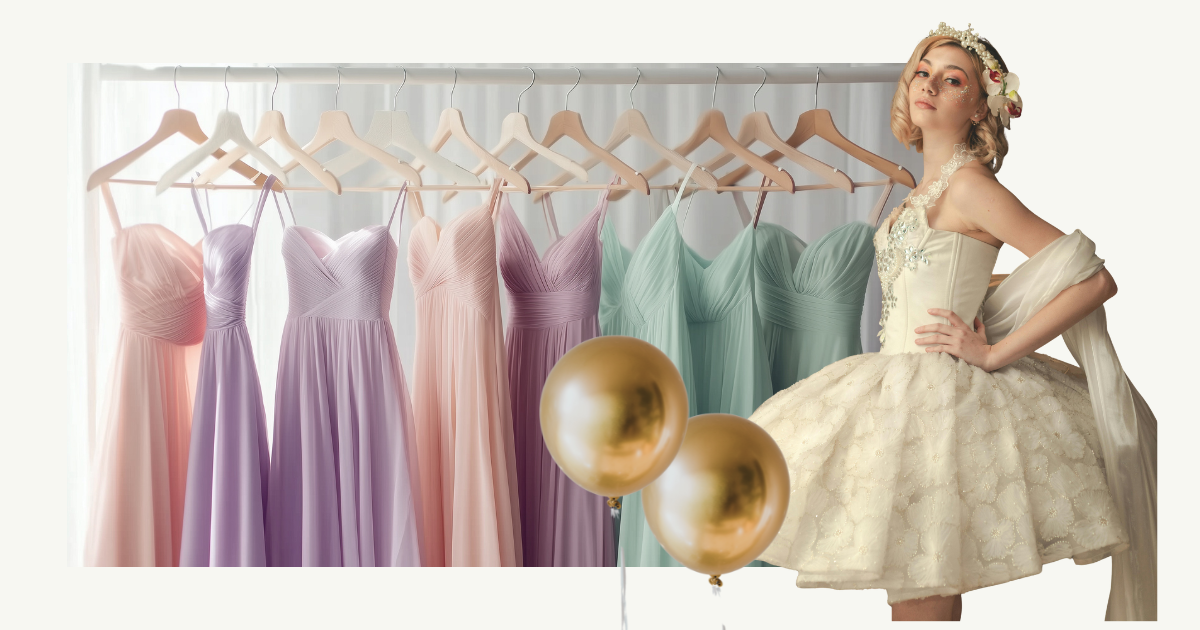
Your Perfect Fit: Essential Tips for Prom and Special Occasion Success
It all begins with an idea.
Prom season at Stitches Matter is always exciting – we love helping young people feel confident and beautiful for one of their most memorable nights. But whether you’re preparing for prom, a wedding, graduation, or any special celebration, the key to looking and feeling amazing lies in the details. After years of perfecting formal wear for countless special occasions, we’re sharing our insider tips to ensure your big night is everything you’ve dreamed of.
The Timeline: When to Start Planning Your Alterations
6-8 Weeks Before Your Event
This is the ideal time to purchase your dress or formal wear and schedule your first fitting. Popular prom season (March-May) books up quickly, so early scheduling ensures you get the appointment times you need. For other special occasions, this timeline allows for multiple fittings if needed and accounts for any unexpected alterations that might arise.
During your first visit, we’ll assess what alterations are needed and create a timeline that ensures everything is completed with time to spare. Rush alterations are possible, but they’re stressful for everyone involved and may limit our ability to achieve the perfect fit.
3-4 Weeks Before: First Fitting
Your first fitting is crucial – this is when we determine the major alterations needed and begin the process. Come prepared with the shoes you plan to wear and any special undergarments, as these significantly affect fit and hem length. If you’re unsure about shoe choice, bring a few options so we can discuss how each affects the dress’s proportions.
We often discover during first fittings that seemingly minor issues – like straps that slip or a bodice that gaps slightly – can be easily corrected with proper alterations. Don’t assume you need to live with fit problems just because a dress is “close enough.”
1-2 Weeks Before: Final Fitting
Your final fitting ensures everything is perfect and gives us time for any last-minute tweaks. This is also when we do a final check of all details – ensuring zippers glide smoothly, straps are secure, and hemlines are even. We recommend doing a full “dress rehearsal” during this fitting – sit, dance, and move as you will during your event to ensure comfort and confidence.
Understanding Formal Wear Fit
The Bodice: Foundation of Elegance
A properly fitted bodice should feel secure without being restrictive. You should be able to move your arms freely, breathe comfortably, and feel confident that nothing will shift during dancing or movement. Many formal dresses come with minimal bust support, so we often add internal structure to ensure both comfort and security.
For strapless dresses, proper fit is especially crucial. The dress should stay in place through the torso fit alone, not rely on constant adjustment. We can add silicone grip strips, internal boning, or adjust the proportions to create a secure, comfortable fit that lets you focus on enjoying your event rather than worrying about your dress.
Hem Length: More Complex Than You Think
Formal dress hems require careful consideration of several factors. The shoes you’ll wear obviously affect length, but so does your height, the dress’s silhouette, and the occasion’s formality. Floor-length gowns should just touch the ground when you’re wearing your event shoes – any longer and you risk tripping, any shorter and the proportions look off.
For shorter formal dresses, we consider leg proportions and the event’s setting. A dress for outdoor graduation might need slightly different hemming than one for an indoor dance, accounting for different walking surfaces and photo opportunities.
Sleeves and Straps: Comfort and Security
Loose or poorly fitted sleeves and straps can be distracting and uncomfortable throughout a long event. We can adjust sleeve length, tighten loose armholes, or secure slipping straps with nearly invisible modifications. For dresses with delicate spaghetti straps, we often suggest adding subtle security features that prevent wardrobe malfunctions without affecting the dress’s appearance.
Special Considerations for Different Occasion Types
Prom: Dancing and Movement
Prom dresses need to accommodate hours of dancing and celebration. We pay special attention to construction areas that receive stress during movement – underarm seams, waistlines, and areas around zippers or closures. A dress that fits perfectly while standing still might bind or pull during dancing, so we always test mobility during fittings.
We also consider the practicalities of a long evening – can you use the restroom comfortably in this dress? Can you sit down without damaging delicate details? These practical considerations ensure your prom night remains magical rather than stressful.
Weddings: Photography and Long Wear
Wedding dresses and formal wedding guest attire need to photograph beautifully and remain comfortable throughout long ceremonies and receptions. We pay special attention to how dresses photograph – ensuring necklines are flattering from multiple angles and that hemlines photograph well in both standing and seated positions.
For wedding parties, consistency is often important. We work with bridesmaids to ensure that alterations maintain the intended look across the group while accommodating individual body types and comfort needs.
Graduation: Academic Regalia Considerations
Graduation attire needs to work well under academic gowns and look appropriate for both ceremony and celebration photos. We consider factors like necklines that work well with graduation stoles, dress lengths that complement cap and gown proportions, and comfortable fits for potentially long ceremonies.
The Undergarment Factor: Foundation for Success
Choosing the Right Support
The undergarments you choose dramatically affect how your formal wear fits and looks. For strapless or low-back dresses, we can recommend appropriate foundation garments or suggest built-in alternatives during alterations. The key is making these decisions early in the alteration process, as changing undergarments after alterations are complete can affect the entire fit.
Many formal dresses benefit from structured undergarments that create smooth lines and provide support. We can suggest options that work with your specific dress style and personal comfort preferences.
Shapewear Considerations
If you choose to wear shapewear, bring it to every fitting. Shapewear changes your body’s measurements and can affect how alterations should be done. It’s better to plan for shapewear from the beginning than to try to accommodate it after alterations are complete.
Emergency Kit: What to Bring to Your Event
Based on our experience with formal wear, we recommend every special occasion attendee prepare a small emergency kit:
• Fashion tape for securing necklines or straps
• Small sewing kit with thread that matches your dress
• Stain removal pen suitable for your fabric type
• Backup bobby pins or hair accessories
• Comfortable backup shoes for dancing
• Small safety pins for quick fixes
Last-Minute Issues: When to Seek Professional Help
Some problems require professional attention, even at the last minute. If you notice loose seams, pulling fabric, or structural issues, contact us immediately. Many problems that seem catastrophic can be quickly fixed with professional tools and expertise.
However, some issues are better addressed with temporary solutions for the event, then proper repairs afterward. We can advise you on which approach is best for your specific situation.
The Confidence Factor
The most important aspect of any special occasion outfit is how it makes you feel. Properly fitted formal wear should boost your confidence, not create anxiety. If something doesn’t feel right during fittings, speak up – we want you to love how you look and feel completely comfortable in your outfit.
Remember that minor imperfections that seem obvious to you are rarely noticed by others. The goal is an overall beautiful appearance and comfortable fit that lets your personality shine through.
Making Memories, Not Wardrobe Malfunctions
At Stitches Matter, we’ve helped thousands of clients prepare for their special occasions, and we’ve learned that the best-dressed people aren’t necessarily wearing the most expensive outfits – they’re wearing the best-fitted ones. Proper alterations transform good dresses into great ones and ensure that your special occasion memories focus on celebration rather than clothing concerns.
Your special occasion deserves special attention to detail. Whether it’s prom, graduation, a wedding, or any celebration, investing in proper alterations ensures you’ll look back on photos with pride and remember feeling confident and beautiful throughout your event.
The night of your special occasion should be about making memories, not managing wardrobe issues. With proper planning, professional alterations, and attention to these details, you’ll be free to focus on what really matters – celebrating your milestone and creating memories that will last a lifetime.
Every stitch we make is invested in your confidence and joy for your special day. That’s what makes our work at Stitches Matter so rewarding – we’re not just altering dresses, we’re helping create perfect moments.
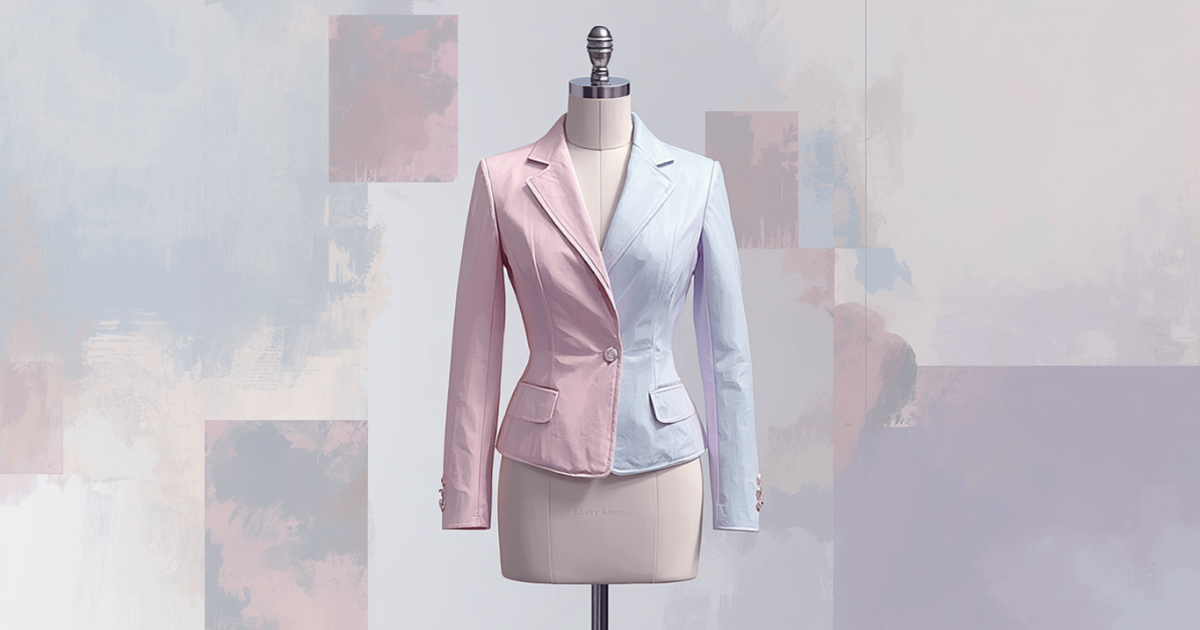
Preserving Excellence: The Art of Luxury Garment Care and Maintenance
It all begins with an idea.
At Stitches Matter, we have the privilege of working with some of the finest garments ever created – from vintage Chanel suits to contemporary Hermès pieces, from hand-tailored Savile Row jackets to couture evening gowns. These exceptional pieces represent significant investments, both financial and emotional, and they deserve care that matches their quality. Today, we’re sharing the specialized knowledge we’ve gained from years of working with luxury garments and the techniques that ensure these treasures continue to serve wardrobes beautifully for decades.
Understanding Luxury Construction: Why Premium Care Matters
Luxury garments are fundamentally different from mass-market clothing. They typically feature superior materials, hand-finished details, and construction techniques that require specialized care. A Hermès scarf isn’t just printed silk – it’s hand-rolled and finished using techniques that take years to master. An Armani suit isn’t just tailored wool – it features canvas interfacing, hand-padded lapels, and construction methods that allow the garment to mold to the wearer’s body over time.
These construction differences mean that standard care methods can actually damage luxury pieces. Machine washing can destroy hand-finished details, improper pressing can flatten carefully constructed textures, and incorrect storage can compromise structural elements that took skilled artisans hours to create.
Fabric-Specific Care for Luxury Materials
Cashmere: The Crown Jewel of Natural Fibers
Luxury cashmere requires gentle, specialized care to maintain its incomparable softness and longevity. The finest cashmere comes from specific regions and undergoes minimal processing to preserve fiber integrity. When we work on premium cashmere pieces, we can immediately feel the difference in fiber quality and hand.
Proper cashmere care begins with understanding that this fiber is both delicate and resilient when treated correctly. Hand washing in cool water with specialized wool detergent, laying flat to dry, and proper storage with cedar elements maintains cashmere’s luxury feel for decades. We’ve worked on 30-year-old cashmere coats that still feel pristine because they received proper care throughout their lives.
Silk: From Charmeuse to Tweed
Luxury silk comes in countless varieties, each requiring slightly different care approaches. Heavy silk crepes can withstand more aggressive cleaning than delicate chiffons, while silk tweeds from houses like Chanel require treatment that respects both the silk content and the specialized weaving techniques.
We’ve learned to identify silk quality by touch and appearance – the finest silks have a particular luster and drape that indicate superior fiber quality and processing. These premium silks often improve with proper care, developing character while maintaining structural integrity.
Exotic Leathers and Specialty Materials
Luxury fashion frequently incorporates exotic materials that require specialized knowledge. Python leather ages differently than traditional cowhide, crocodile requires specific conditioning products, and patent leather needs protection from both moisture and extreme dryness.
We maintain relationships with specialty leather care professionals for pieces that require expertise beyond our textile focus, ensuring that every component of luxury garments receives appropriate attention.
The Science of Luxury Garment Storage
Proper storage is crucial for maintaining luxury pieces, and different garments require different approaches based on their construction and materials.
Climate Control Considerations
Luxury natural fibers are sensitive to humidity fluctuations, temperature extremes, and environmental pollutants. Wool can develop moth damage, silk can become brittle in overly dry conditions, and leather can crack or mold depending on humidity levels.
We recommend climate-controlled storage for significant luxury pieces, with humidity maintained between 45-55% and temperatures kept stable. For clients with extensive luxury wardrobes, we often suggest professional-grade storage solutions that protect these investments appropriately.
Hanging vs. Folding: Construction-Based Decisions
The decision to hang or fold luxury garments depends on their construction rather than just fabric type. A structured Chanel jacket maintains its shape better on padded hangers, while a delicate beaded evening gown might be damaged by hanging weight and should be stored flat with acid-free tissue support.
We assess each piece individually, considering factors like shoulder construction, weight distribution, embellishment placement, and fabric characteristics. Sometimes we modify storage approaches for specific pieces – adding support to hanging areas or creating custom storage solutions for unusually shaped or decorated items.
Protection from Environmental Damage
Luxury pieces need protection from light, dust, insects, and handling damage. UV light fades even the highest quality dyes, dust can embed in delicate fibers, and moths are particularly attracted to the finest wools and cashmere.
Quality garment bags, cedar elements, and regular inspection routines protect luxury investments. However, plastic bags can trap moisture and cause mold or mildew, so breathable cotton or linen garment bags are preferable for long-term storage.
Professional Cleaning: When and Why It Matters
Understanding Dry Cleaning Quality Levels
Not all dry cleaning is created equal, and luxury garments require cleaners who understand their specific needs. The finest dry cleaners use premium solvents, employ hand-finishing techniques, and have experience with luxury construction methods.
We work with selected dry cleaning partners who understand that a vintage Fortuny dress requires different treatment than a contemporary designer piece, and who have the skills to handle delicate trims, unusual fabrics, and complex construction details without damage.
Hand Cleaning and Spot Treatment
Some luxury pieces benefit from hand cleaning rather than traditional dry cleaning. Delicate beadwork, fragile vintage fabrics, or pieces with mixed materials often require individualized cleaning approaches.
We’ve developed techniques for gentle spot cleaning, odor removal, and freshening that preserve luxury garments without subjecting them to potentially harsh cleaning processes. Sometimes the best care is the gentlest approach.
Luxury Alterations: Preserving Value and Character
Altering luxury pieces requires understanding not just sewing techniques, but the specific construction methods used by different houses and eras. A Valentino gown uses different internal construction than a Tom Ford suit, and alterations must respect these differences.
Maintaining Designer Integrity
When we alter luxury pieces, we strive to maintain the designer’s original vision and construction techniques. This might mean sourcing specific types of interfacing, matching thread weights and colors exactly, or using hand-finishing techniques that complement the original work.
We also consider how alterations affect the garment’s resale value and authenticity. Some modifications are reversible and maintain value, while others permanently alter the piece. We discuss these implications with clients before beginning work.
Documentation and Provenance
For highly valuable pieces, we document our work extensively, maintaining records that can be valuable for insurance, authentication, or future care. This documentation includes photographs of original construction, details of any modifications made, and recommendations for ongoing care.
Investment Protection: Insurance and Appraisal Considerations
Luxury garments often represent significant financial investments that warrant protection through appropriate insurance coverage. We can provide documentation of our work and assessments of garment condition that support insurance claims or appraisals.
We also advise clients on factors that affect luxury garment value – authenticity, condition, rarity, and provenance all play roles in determining worth. Proper care and documentation help maintain these values over time.
The Psychology of Luxury Care
Caring for luxury garments is as much about psychology as technique. These pieces often carry emotional significance – they represent achievements, mark important occasions, or connect us to admired style icons. Proper care honors these connections and ensures that special pieces remain available for future meaningful occasions.
We’ve noticed that clients who invest in proper care for their luxury pieces tend to wear and enjoy them more. When you know a garment is properly maintained, you feel more confident wearing it for special occasions rather than saving it indefinitely.
Building a Luxury Care Routine
Successful luxury garment care requires consistent, appropriate routines rather than occasional intensive treatments. This includes:
• Regular inspection for issues that need prompt attention
• Seasonal storage transitions with proper cleaning and preparation
• Professional maintenance relationships with qualified specialists
• Understanding when to wear pieces and when to preserve them
• Investing in quality storage and care tools appropriate to the garments’ value
The Long View: Luxury as Heirloom
The finest luxury pieces can serve multiple generations when properly cared for. We’ve worked on pieces that have been lovingly maintained for 50+ years, altered to fit new owners while preserving their essential character and quality.
This long-term perspective influences every care decision – techniques that preserve structural integrity, materials that age gracefully, and documentation that maintains provenance for future caretakers.
When Professional Intervention Is Essential
While some basic care can be done at home, luxury pieces often require professional expertise for optimal maintenance. Complex stains, structural repairs, or alterations should always be handled by specialists who understand luxury construction and materials.
The cost of professional care is minimal compared to the potential cost of damage from improper treatment. We’ve seen too many luxury pieces permanently compromised by well-intentioned but inappropriate home care attempts.
At Stitches Matter, we consider ourselves stewards of exceptional craftsmanship and design. Every luxury piece that enters our care receives attention appropriate to its quality and significance. We understand that these garments represent more than clothing – they’re investments in beauty, craftsmanship, and personal style that deserve preservation for future appreciation and enjoyment.
Proper luxury garment care isn’t about being precious or overly cautious – it’s about understanding value and treating exceptional pieces with the respect they’ve earned through superior materials, construction, and design. When these elements come together with appropriate care, luxury garments can provide decades of beauty and satisfaction, proving that true quality is always worth the investment.